

Introduction
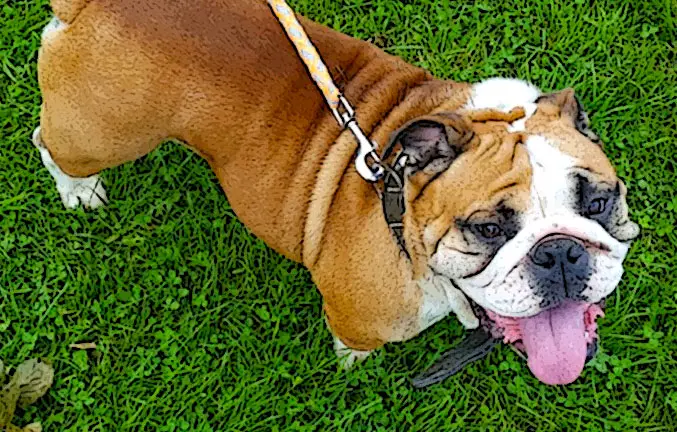
English Bulldogs are charming, stocky, and lovable, but their build also makes maintaining fitness and health a challenge. Without the right care, they’re prone to weight gain, joint stress, and respiratory issues.
In this guide, you’ll discover the best practices to keep your English Bulldog fit and healthy — covering nutrition, exercise, grooming, health checks, and more.
Nutrition & Diet for a Healthy Bulldog
A proper diet is the foundation of fitness. Bulldogs tend to gain weight easily, so a balanced, controlled feeding regimen is critical.
-
Portion control — feed measured amounts, not free-feeding
-
High-quality food — choose formulas with lean protein, limited fillers, and essential fatty acids
-
Breed-specific diets — some brands have Bulldog formulas designed for their jaw and digestion
-
Avoid table scraps & treats overload — treats should be ≤ 10% of daily calories
-
Ensure clean, fresh water is always available
Recommended product: Breed-Specific Bulldog Food tailored for Bulldog digestion and energy needs
Exercise & Activity Guidelines
While English Bulldogs aren’t high-endurance dogs, they still need regular movement to stay healthy.
Safe Exercise Tips
-
Short, frequent walks — 10 to 15 minutes, 1–2 times daily
-
Avoid heat — Bulldogs overheat easily; walk in early morning or evening
-
Indoor play — gentle fetch, tug-of-war, or interactive toys
-
Monitor breathing — stop immediately if heavy panting or labored breathing occurs
-
Low-impact activities — avoid long runs, high jumps, or strenuous demands
Include joint-friendly supplements or diet if your vet recommends them.
For guidance on leash walking and training, see How to Train Your English Bulldog Puppy to Walk on a Leash
Maintaining a Healthy Weight & Body Condition
Bulldogs with excess weight face many health risks (joint stress, heart strain, respiratory problems).
-
Use a body condition scoring system — ribs should be felt, not seen, with a waist visible
-
Adjust portions or switch to a lower-calorie diet if overweight
-
Incrementally increase activity if weight needs reduction
-
Check weight regularly (e.g., monthly)
Grooming, Skin Health, and Coat Care
Fitness isn’t just about weight — skin and coat health are key too.
-
Brush 1–2 times weekly to reduce shedding and stimulate skin
-
Wrinkle cleaning — daily wipe and dry folds to prevent infection
-
Baths — every 6–8 weeks with gentle, hypoallergenic shampoo
-
Check ears, eyes, and paws for irritation or infection
-
Use skin balms or moisturizers as needed
Learn more about wrinkle care in our article on English Bulldog Care Tips
Recommended product: Gentle Bulldog Shampoo
Recommended product: Bulldog Wrinkle Balm
Joint Health & Mobility Care
Because of their build, Bulldogs are prone to joint and mobility issues.
-
Provide an orthopedic bed to reduce joint pressure
-
Use non-slip flooring or rugs to prevent slipping
-
Monitor for signs of limping or stiffness
-
Consider joint supplements (glucosamine, omega-3) if vet approves
-
Avoid excessive stairs or high jumps
Recommended product: Orthopedic Memory Foam Dog Bed
Regular Health Checks & Vet Care
Proactive health care is essential to detect problems early.
-
Annual or biannual vet exams (especially respiratory, skin, and hips)
-
Dental checkups and cleaning
-
Vaccinations and parasite prevention
-
Monitor for signs: lethargy, coughing, skin changes, weight gain, gait changes
-
Maintain a health log (dates, weights, medications)
Behavior & Mental Health
A fit dog isn’t just physical — mental health matters too.
-
Provide interactive toys and puzzle feeders
-
Rotate toys to maintain interest
-
Short training sessions to keep their mind sharp
-
Socialization with safe other dogs and humans
Recommended product: Interactive Puzzle Toy for Dogs
FAQ
-
How much exercise does an English Bulldog need?
Short, gentle walks and indoor play—avoid high-impact or long-duration activity. -
Can I use joint supplements for my Bulldog?
Yes, but only with vet approval; glucosamine and omega-3 are common additions. -
At what age do Bulldogs stop growing?
Many Bulldogs reach full size around 12–18 months, though joint maturity may occur later. -
What signs indicate my Bulldog is overweight?
Difficulty feeling ribs, no visible waistline, reduced mobility, or frequent panting.

Leave A Comment
You must be logged in to post a comment.